Why Are Lift Check Valves Essential for Modern Fluid Control Systems?
Lift check valves are one of the most reliable and structurally robust non-return valve types used in pipelines across industries such as oil & gas, chemical processing, power generation, HVAC, and water treatment. They ensure one-way flow, prevent backflow, protect critical equipment, and maintain system stability. Because of their simple geometry and durable construction, lift check valves are widely preferred in high-pressure and high-temperature applications.
This article explores how lift check valves work, what makes them different from other check valve types, their key advantages, and how to choose the right valve for your system. It also includes a technical parameter table and practical FAQs to support engineering decisions.
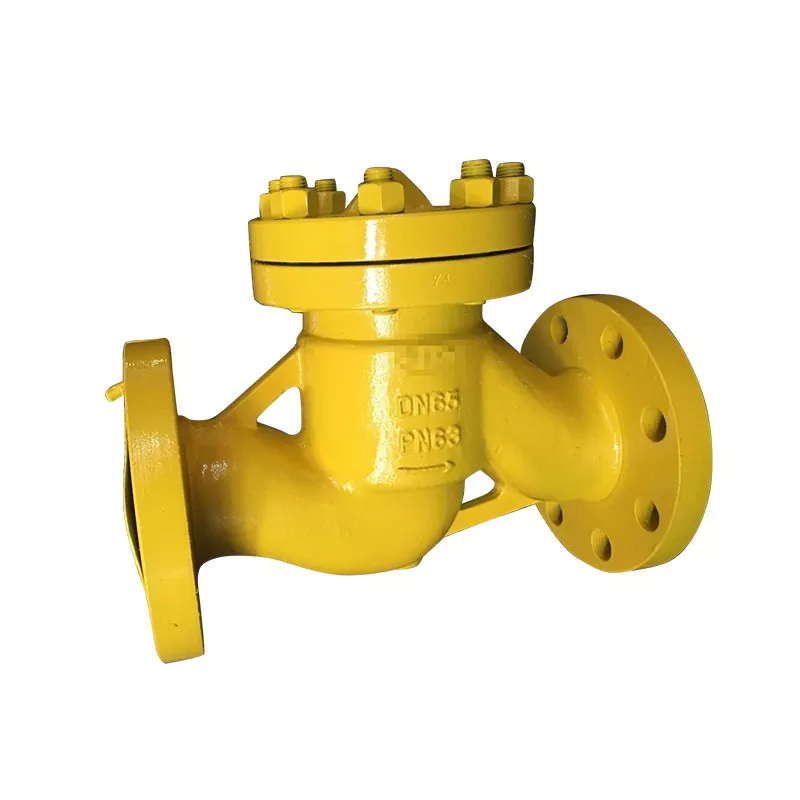
How Do Lift Check Valves Work?
Lift check valves operate automatically using flow pressure. When the fluid flows in the forward direction, pressure lifts the disc off the seat, allowing flow to pass. When the flow stops or reverses, gravity and back pressure drop the disc back onto the seat, instantly preventing reverse flow.
Key Functional Steps
-
Forward Flow Begins → Pressure rises and lifts the disc vertically.
-
Disc Movement → The disc travels along a guided path inside the valve body.
-
Maximum Lift → Achieved when flow rate reaches stable operating conditions.
-
Flow Stops or Reverses → The disc is forced back onto the seat.
-
Backflow Prevented → Sealing ensures zero or minimal leakage.
The vertical lift and quick return action make this valve ideal for systems requiring fast and secure shutoff.
Why Choose Lift Check Valves Over Swing Check Valves? (Lift Check Valves vs Swing Check Valves)
Choosing between lift and swing check valves depends on operating conditions. Below is a comparison to highlight their differences:
| Feature / Aspect | Lift Check Valves | Swing Check Valves |
|---|---|---|
| Flow Direction | Best for vertical or horizontal flow with upward lift | Best for horizontal pipelines |
| Shutoff Quality | Excellent, tight sealing | Good but less tight than lift type |
| Disc Movement | Vertical guided lift | Swinging arc |
| Response Speed | Very fast | Moderate |
| Pressure Rating | Suitable for high-pressure systems | Suitable for medium pressure |
| Maintenance | Easy internal inspection | Larger opening required |
Conclusion: For high-pressure, high-temperature, or critical sealing applications, lift check valves provide superior shutoff performance and reliability.
What Are the Main Advantages of Lift Check Valves?
1. High Pressure and Temperature Resistance
Their sturdy body and disc design support standard and extreme operating conditions.
2. Excellent Sealing
The vertical disc movement and aligned seating arrangement reduce leakage rates dramatically.
3. Minimal Wear and Long Service Life
The guided lift minimizes friction and prevents misalignment.
4. Quick Closing Action
Ideal for systems that require immediate prevention of backflow.
5. Compact and Efficient Structure
The small footprint allows installation in space-restricted pipelines.
Which Industries Benefit Most from Lift Check Valves?
Lift check valves are widely used in:
-
Petrochemical and oil refining
-
Chemical processing plants
-
Steam and boiler systems
-
Power generation facilities
-
Compressed air lines
-
Waterworks and wastewater treatment
-
Pharmaceutical production
-
Industrial gas transportation
Their reliability and material adaptability make them suitable for almost any clean fluid pipeline environment.
What Technical Parameters Should You Consider When Selecting Lift Check Valves?
Below is a technical summary based on typical specifications provided by high-quality manufacturers such as Zhejiang Hengnuo Valve Manufacturing Co., Ltd.
Lift Check Valve Technical Parameters
| Parameter | Specification Range |
|---|---|
| Valve Size (DN) | DN15 – DN600 |
| Pressure Rating | PN16, PN25, PN40, Class 150 – Class 600 |
| Body Materials | WCB, CF8, CF8M, CF3, CF3M, Alloy Steel, Duplex Steel |
| Disc Materials | Stainless Steel, Alloy Steel, Hard-faced Disc |
| Sealing Surface | Metal-to-metal or soft seal options |
| Connection Ends | Flanged, Threaded, Welded |
| Temperature Range | −29°C to 425°C (material-dependent) |
| Applicable Media | Water, steam, oil, gas, chemical fluids |
These parameters ensure flexibility for different engineering environments and compliance with global industrial standards.
How to Ensure Proper Installation and Maintenance of Lift Check Valves?
Installation Tips
-
Install vertically for best performance, especially for gas and clean liquid systems.
-
Ensure that flow direction matches the arrow engraved on the body.
-
Maintain adequate pipe spacing for frequent inspection.
-
Use proper gaskets and follow torque guidelines to avoid warping.
Maintenance Recommendations
-
Periodically inspect the seat and disc for debris.
-
Replace sealing elements if leakage increases.
-
Lubricate guiding components depending on medium and temperature.
-
Conduct pressure tests after long downtime periods.
Following these steps helps maximize service life and system stability.
FAQs About Lift Check Valves
1. What makes Lift Check Valves more reliable than other check valve types?
Lift check valves provide precise vertical disc movement and tight sealing, which reduces leakage and ensures stable operation in high-pressure and high-temperature environments. Their compact design and fast response make them more reliable for critical pipeline systems.
2. How do I choose the correct material for Lift Check Valves?
Material selection depends on the working medium, temperature, and corrosion factors. For water and steam, carbon steel and stainless steel are common. For corrosive chemicals, alloy steel or duplex steel is recommended. Matching material to operating conditions ensures long-term durability.
3. Are Lift Check Valves suitable for horizontal pipelines?
Yes, lift check valves can be installed horizontally as long as the flow direction allows the disc to lift upward. They are especially effective in clean fluid systems where debris will not block the guide path.
4. What common issues should be avoided during installation of Lift Check Valves?
Improper orientation, misalignment, unclean pipeline debris, and excessive tightening can lead to leakage, limited disc lift, or seat damage. Correct installation and periodic checks prevent these issues.
Conclusion
For industries requiring dependable and long-lasting check valve solutions, lift check valves deliver exceptional performance and adaptability. From pressure resistance to fast shutoff and compact design, they support a wide range of critical applications.
If you need professionally engineered lift check valves with complete material options and global-standard manufacturing, please contact Zhejiang Hengnuo Valve Manufacturing Co., Ltd. They provide precision-made valve products backed by strong technical expertise and reliable after-sales support.
For inquiries or detailed specifications, feel free to reach out via their contact channels.