Why Are Cast Steel Wedge Gate Valves the Preferred Choice for High-Pressure Industrial Applications
In modern industrial piping systems, selecting the right valve is critical for ensuring operational safety, efficiency, and long-term reliability. Among various valve types, Cast Steel Wedge Gate Valves have become one of the most trusted solutions for controlling fluid flow in high-pressure and high-temperature environments. These valves are widely used in oil and gas, petrochemical, power generation, water treatment, and industrial manufacturing sectors due to their excellent sealing performance, durability, and cost-effectiveness.
This comprehensive guide explores everything you need to know about Cast Steel Wedge Gate Valves, including their structure, working principles, advantages, materials, applications, selection criteria, maintenance requirements, and industry standards. As a professional valve manufacturer, Hanno delivers high-quality Cast Steel Wedge Gate Valves designed to meet demanding industrial requirements worldwide.
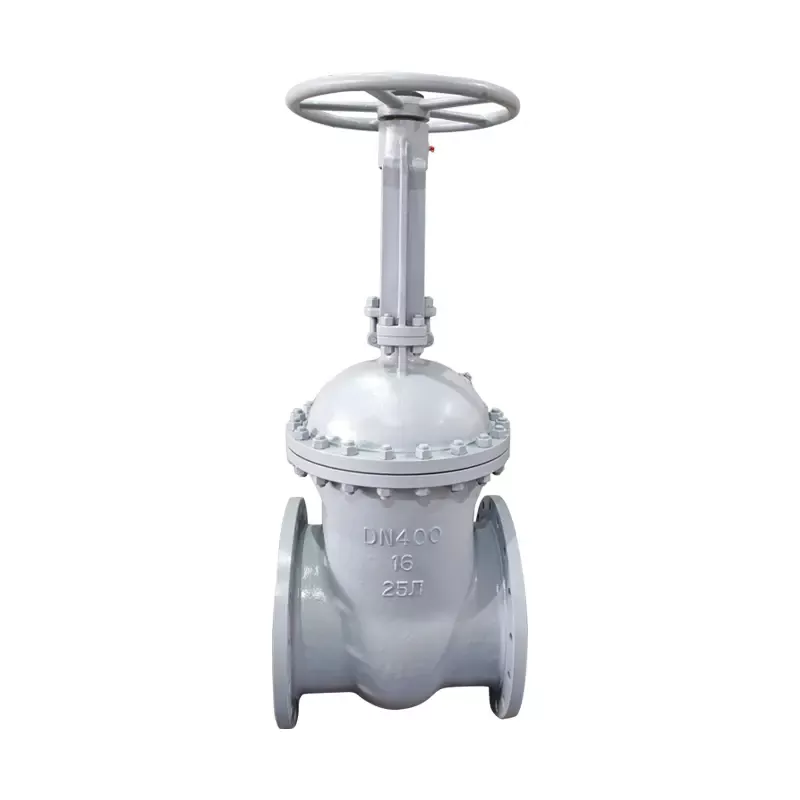
Table of Contents
- What Are Cast Steel Wedge Gate Valves?
- How Do Cast Steel Wedge Gate Valves Work?
- Main Components of Cast Steel Wedge Gate Valves
- Key Advantages of Cast Steel Wedge Gate Valves
- Common Materials Used in Manufacturing
- Industrial Applications
- Comparison with Other Valve Types
- How to Select the Right Cast Steel Wedge Gate Valve
- Maintenance Best Practices
- Important Industry Standards
- Why Choose Hanno Cast Steel Wedge Gate Valves?
- Frequently Asked Questions
What Are Cast Steel Wedge Gate Valves?
Cast Steel Wedge Gate Valves are linear motion isolation valves designed to start or stop fluid flow by raising or lowering a wedge-shaped gate inside the valve body. Unlike throttling valves, gate valves are primarily intended for fully open or fully closed service.
The valve body is manufactured using cast steel materials, offering excellent mechanical strength and resistance to pressure and temperature fluctuations. The wedge-shaped gate provides tight shutoff by fitting securely between two seating surfaces when closed.
Because of their robust construction and reliable sealing capability, Cast Steel Wedge Gate Valves are widely installed in pipelines carrying steam, oil, gas, water, chemicals, and other industrial media.
How Do Cast Steel Wedge Gate Valves Work?
The operating principle of a Cast Steel Wedge Gate Valve is relatively straightforward:
- The handwheel, gearbox, electric actuator, or pneumatic actuator rotates the stem.
- The stem transfers motion to the wedge gate.
- When opened, the gate moves upward and clears the flow path.
- When closed, the wedge moves downward between the seats.
- The wedge creates a tight mechanical seal that prevents leakage.
Once fully opened, the valve offers minimal flow resistance because the gate is completely removed from the flow stream.
Main Components of Cast Steel Wedge Gate Valves
Understanding the valve structure helps users evaluate performance and maintenance requirements.
| Component | Function |
|---|---|
| Valve Body | Contains internal flow passage and pressure boundary. |
| Bonnet | Provides access for assembly and maintenance. |
| Wedge Gate | Controls flow by opening or closing the passage. |
| Stem | Transfers operating force from actuator to gate. |
| Seat Rings | Create sealing surfaces for shutoff. |
| Packing | Prevents leakage around the stem. |
| Handwheel/Actuator | Operates the valve. |
Each component contributes to the overall reliability and service life of the Cast Steel Wedge Gate Valve.
Key Advantages of Cast Steel Wedge Gate Valves
Excellent Sealing Performance
The wedge design creates strong contact pressure against the seats, resulting in exceptional shutoff capability.
Low Flow Resistance
When fully open, the flow passage remains unobstructed, minimizing pressure drop throughout the pipeline.
High Strength Construction
Cast steel materials provide excellent mechanical properties suitable for demanding industrial environments.
Long Service Life
Properly maintained Cast Steel Wedge Gate Valves can operate reliably for decades.
Wide Temperature Range
These valves perform effectively in both moderate and extreme temperature applications.
Versatile Installation
They can be installed in horizontal, vertical, and inclined piping systems depending on operational requirements.
Common Materials Used in Manufacturing
Material selection depends on pressure ratings, temperatures, and media characteristics.
| Material Grade | Characteristics | Typical Applications |
|---|---|---|
| ASTM A216 WCB | Excellent strength and cost efficiency | Water, oil, steam |
| ASTM A217 WC6 | High-temperature resistance | Power plants |
| ASTM A217 WC9 | Superior creep resistance | High-pressure steam systems |
| CF8 Stainless Steel | Corrosion resistance | Chemical processing |
| CF8M Stainless Steel | Enhanced corrosion protection | Marine and chemical industries |
Selecting the proper material ensures optimal valve performance and longevity.
Industrial Applications
Due to their robust design, Cast Steel Wedge Gate Valves are widely used across numerous industries.
Oil and Gas Industry
- Pipeline transportation systems
- Refining facilities
- Offshore platforms
- Storage terminals
Power Generation
- Boiler feedwater systems
- Steam distribution networks
- Cooling water systems
- Turbine auxiliary pipelines
Petrochemical Industry
- Chemical processing units
- Hydrocarbon transportation
- Pressure vessels
- Industrial reactors
Water Treatment Facilities
- Raw water transmission
- Distribution pipelines
- Pumping stations
- Municipal infrastructure
Comparison with Other Valve Types
| Feature | Cast Steel Wedge Gate Valve | Globe Valve | Ball Valve |
|---|---|---|---|
| Flow Resistance | Very Low | High | Very Low |
| Shutoff Performance | Excellent | Excellent | Excellent |
| Throttling Capability | Not Recommended | Excellent | Limited |
| Pressure Rating | High | High | Moderate to High |
| Maintenance Cost | Low | Moderate | Low |
| Service Life | Long | Moderate | Long |
How to Select the Right Cast Steel Wedge Gate Valve
Choosing the proper valve requires careful evaluation of several factors.
Pressure Class
Common pressure classes include Class 150, 300, 600, 900, 1500, and 2500.
Operating Temperature
Ensure valve materials can withstand maximum process temperatures.
Media Compatibility
Consider corrosion, abrasion, and chemical compatibility requirements.
Connection Type
- Flanged Ends
- Butt Weld Ends
- Socket Weld Ends
- Threaded Ends
Actuation Method
- Manual Handwheel
- Gear Operated
- Electric Actuated
- Pneumatic Actuated
- Hydraulic Actuated
Maintenance Best Practices
Routine maintenance significantly improves reliability and extends service life.
- Perform periodic visual inspections.
- Lubricate stems and moving components.
- Inspect packing for leakage.
- Verify actuator operation.
- Check seat integrity during shutdowns.
- Monitor operating torque levels.
- Replace worn components promptly.
A proactive maintenance program helps prevent unexpected downtime and costly repairs.
Important Industry Standards
High-quality Cast Steel Wedge Gate Valves should comply with recognized international standards.
| Standard | Description |
|---|---|
| API 600 | Steel gate valve design standard |
| API 598 | Valve inspection and testing |
| ASME B16.34 | Pressure-temperature ratings |
| ASME B16.10 | Face-to-face dimensions |
| ASME B16.5 | Flange dimensions |
| ISO 9001 | Quality management systems |
Compliance with these standards ensures safety, interchangeability, and consistent performance.
Why Choose Hanno Cast Steel Wedge Gate Valves?
As a professional valve manufacturer, Hanno focuses on delivering reliable and high-performance Cast Steel Wedge Gate Valves for global industrial customers. Hanno products are manufactured using advanced production equipment, strict quality control systems, and internationally recognized standards.
Key advantages of choosing Hanno include:
- Extensive valve manufacturing experience.
- High-quality cast steel materials.
- Strict inspection and testing procedures.
- Custom engineering support.
- Competitive pricing.
- Fast delivery capabilities.
- Professional technical assistance.
Whether your project involves power generation, oil and gas transportation, petrochemical processing, or industrial infrastructure, Hanno provides dependable Cast Steel Wedge Gate Valves designed for long-term performance.
Frequently Asked Questions
1. What is the primary purpose of a Cast Steel Wedge Gate Valve?
The primary purpose is to provide reliable on-off isolation for fluid flow in industrial piping systems while minimizing pressure loss.
2. Can Cast Steel Wedge Gate Valves be used for throttling?
No. These valves are designed primarily for fully open or fully closed positions. Continuous throttling may damage sealing surfaces.
3. What industries commonly use Cast Steel Wedge Gate Valves?
They are widely used in oil and gas, power plants, petrochemical facilities, water treatment systems, and industrial manufacturing plants.
4. What material is most commonly used?
ASTM A216 WCB cast carbon steel is among the most common materials due to its excellent balance of strength, durability, and affordability.
5. How long do Cast Steel Wedge Gate Valves typically last?
With proper installation and maintenance, these valves can provide reliable service for many years, often exceeding decades in suitable applications.
6. What pressure classes are available?
Common pressure ratings include Class 150, 300, 600, 900, 1500, and 2500 depending on system requirements.
7. Why is wedge design important?
The wedge design creates tight seating contact, improving shutoff performance and reducing leakage risks under high-pressure conditions.
Conclusion
As industries continue demanding higher levels of safety, efficiency, and reliability, Cast Steel Wedge Gate Valves remain one of the most trusted solutions for critical isolation applications. Their robust cast steel construction, excellent sealing performance, low flow resistance, and long service life make them ideal for challenging operating environments across multiple industries.
If you are looking for premium-quality Cast Steel Wedge Gate Valves backed by professional engineering expertise and strict quality control, Hanno is ready to support your project. Whether you need standard configurations or customized valve solutions, contact us today to discuss your requirements and discover how our advanced valve technologies can help improve the safety, efficiency, and reliability of your industrial systems.