Why Are Hard Seal Gate Valves Becoming the Preferred Solution for Reliable Industrial Flow Control
When industries require durable and efficient flow control equipment, Hard Seal Gate Valves have become an essential choice for demanding applications. Hanno specializes in providing high-quality valve solutions designed for industrial systems that require excellent sealing performance, corrosion resistance, and long service life. As an experienced valve manufacturer, Hanno develops advanced hard seal gate valve designs that meet the needs of water treatment, petrochemical, power generation, and industrial pipeline projects worldwide.
Hard seal gate valves are engineered with metal-to-metal sealing structures to provide reliable shut-off performance under high-pressure, high-temperature, and harsh operating conditions. Compared with traditional soft seal valves, they offer improved durability, wear resistance, and adaptability for complex industrial environments. This article explores why hard seal gate valves are widely used, their technical benefits, and how to select the right valve for different applications.
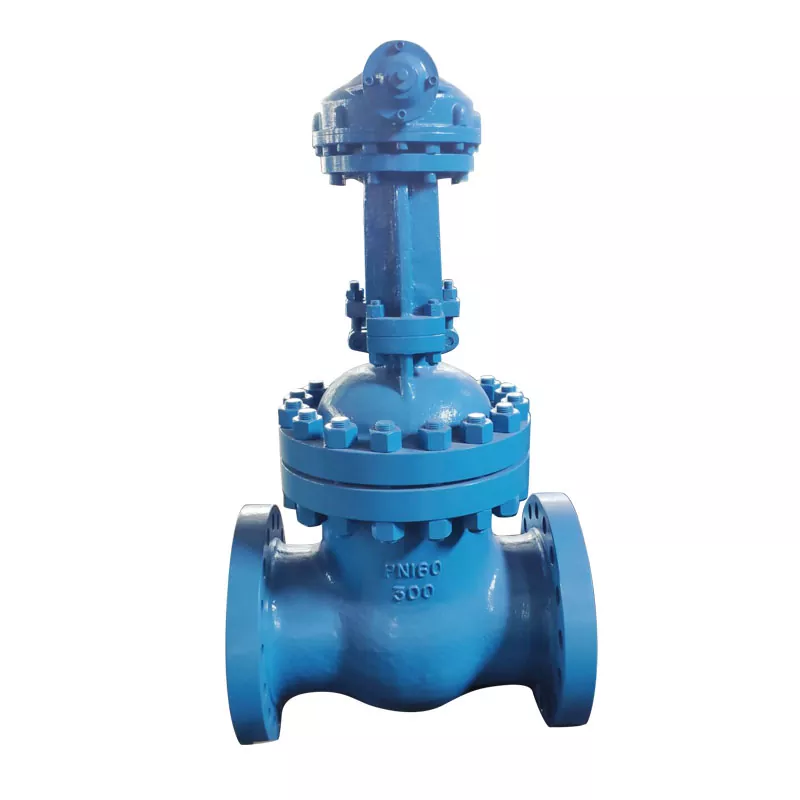
Table of Contents
- Article Summary
- What Are Hard Seal Gate Valves?
- How Do Hard Seal Gate Valves Work?
- What Are the Key Advantages of Hard Seal Gate Valves?
- Where Are Hard Seal Gate Valves Commonly Used?
- How to Choose the Right Hard Seal Gate Valve?
- Hard Seal Gate Valves vs Soft Seal Gate Valves
- Maintenance Tips for Long-Term Performance
- Frequently Asked Questions
What Are Hard Seal Gate Valves?
Hard seal gate valves are industrial shut-off valves that use a metal sealing surface between the gate and valve seat. Unlike soft sealing valves that rely on rubber or elastomer materials, hard seal designs utilize durable metal components to achieve reliable sealing performance.
The metal sealing structure allows these valves to withstand extreme operating conditions, including high temperatures, abrasive media, and frequent operation cycles. They are especially suitable for pipelines where leakage prevention, mechanical strength, and service reliability are critical requirements.
A typical hard seal gate valve consists of several important components:
- Valve body: Provides structural support and pressure resistance.
- Gate plate: Controls fluid passage by moving vertically inside the valve body.
- Metal sealing seat: Creates a strong sealing barrier during closure.
- Valve stem: Transfers operating force from the actuator or handwheel.
- Actuation system: Enables manual, electric, or pneumatic operation.
How Do Hard Seal Gate Valves Work?
The operating principle of hard seal gate valves is based on vertical movement of the gate. When the valve is opened, the gate moves upward and allows fluid to pass through the pipeline with minimal resistance. When closed, the gate moves downward and contacts the metal seat surface to block flow completely.
The precision-machined sealing surfaces ensure stable contact pressure, reducing the possibility of leakage. Advanced manufacturing processes, including precision casting, CNC machining, and surface treatment technology, help improve sealing accuracy and operational reliability.
| Component | Function | Performance Benefit |
|---|---|---|
| Metal Gate | Controls opening and closing movement | High strength and wear resistance |
| Hard Sealing Seat | Provides sealing contact | Excellent leakage prevention |
| Valve Body | Handles internal pressure | Improved durability under harsh conditions |
| Valve Stem | Transfers operating force | Stable operation and long service life |
What Are the Key Advantages of Hard Seal Gate Valves?
The growing demand for hard seal gate valves comes from their ability to provide dependable performance in challenging industrial environments. Their unique metal sealing structure creates several important advantages.
1. Excellent High-Temperature Resistance
Because hard seal gate valves use metal sealing components instead of rubber materials, they can operate effectively in high-temperature applications where soft seals may degrade or lose elasticity.
2. Superior Wear Resistance
Industrial pipelines often transport fluids containing particles or abrasive materials. The hardened sealing surfaces reduce wear and maintain stable sealing performance over extended operating periods.
3. Longer Service Life
The robust construction of hard seal gate valves allows them to withstand frequent operation, pressure fluctuations, and demanding working environments, reducing replacement frequency and maintenance costs.
4. Reliable Shut-Off Performance
Precision metal-to-metal contact provides strong sealing capability, making these valves suitable for applications requiring strict leakage control.
5. Wide Application Compatibility
Hard seal gate valves can handle various industrial media, including water, steam, oil, gas, and chemical fluids, depending on material selection and design configuration.
Where Are Hard Seal Gate Valves Commonly Used?
Due to their durability and excellent sealing ability, hard seal gate valves are widely applied in industries that require stable pipeline control and long-term operation. Their robust structure makes them suitable for both standard and extreme working environments.
| Industry | Application Scenario | Why Hard Seal Gate Valves Are Suitable |
|---|---|---|
| Water Treatment | Water supply pipelines, wastewater systems, and distribution networks | Provides reliable shut-off and corrosion-resistant performance |
| Oil & Gas | Pipeline transportation and processing facilities | Handles high pressure and demanding operating conditions |
| Power Generation | Steam systems and cooling water pipelines | Maintains stable performance under high temperature conditions |
| Chemical Industry | Chemical fluid transportation systems | Offers strong sealing and material adaptability |
| Mining Industry | Abrasive slurry and mineral processing pipelines | Provides improved wear resistance and service durability |
For industrial projects requiring dependable pipeline isolation, selecting a suitable hard seal gate valve can significantly improve system safety and operational efficiency. Many engineering companies prefer working with experienced suppliers that can provide customized valve solutions according to pressure ratings, media characteristics, and installation requirements.
How to Choose the Right Hard Seal Gate Valve?
Choosing the correct hard seal gate valve requires careful consideration of operating conditions, pipeline requirements, and maintenance expectations. The following factors should be evaluated before purchasing:
- Operating Pressure: Select a valve with a pressure rating suitable for the pipeline system to ensure safe operation.
- Temperature Range: Confirm that valve materials and sealing structures can withstand the working temperature.
- Medium Characteristics: Consider whether the valve will handle water, steam, oil, gas, chemicals, or abrasive fluids.
- Material Selection: Choose appropriate body and sealing materials according to corrosion resistance requirements.
- Operation Method: Determine whether manual, electric, pneumatic, or hydraulic actuation is required.
- Maintenance Requirements: Select a design that allows convenient inspection and servicing.
A professional valve supplier can provide technical recommendations based on actual project conditions, helping customers avoid incorrect selection and improve overall system reliability.
Hard Seal Gate Valves vs Soft Seal Gate Valves: What Is the Difference?
Although both hard seal and soft seal gate valves are designed for flow control, their sealing structures and application advantages are different. Understanding these differences helps engineers select the most suitable valve type.
| Comparison Factor | Hard Seal Gate Valves | Soft Seal Gate Valves |
|---|---|---|
| Sealing Material | Metal-to-metal sealing structure | Rubber or elastomer sealing materials |
| Temperature Resistance | Suitable for high-temperature applications | Limited by soft sealing material performance |
| Wear Resistance | Excellent resistance against abrasion | More sensitive to mechanical damage |
| Service Life | Long-term durability in harsh environments | May require more frequent replacement |
| Typical Applications | Power plants, oil systems, chemical pipelines | Water systems and general applications |
For industries operating under demanding conditions, hard seal gate valves generally provide better reliability and longer service intervals. However, soft seal valves may still be suitable for applications requiring simple shut-off functions and lower operating temperatures.
Maintenance Tips for Long-Term Performance
Although hard seal gate valves are designed for durability, proper maintenance is essential to maximize service life and maintain sealing performance. Recommended maintenance practices include:
- Regularly inspect valve operation status and check for abnormal vibration or leakage.
- Clean pipeline impurities to prevent particles from damaging sealing surfaces.
- Apply suitable lubrication to moving components according to manufacturer recommendations.
- Check valve connections and fasteners periodically to ensure structural stability.
- Record operation cycles and maintenance history for preventive management.
Professional installation and scheduled maintenance can greatly reduce unexpected downtime and help industrial systems maintain continuous operation.
Frequently Asked Questions About Hard Seal Gate Valves
1. What makes hard seal gate valves different from traditional gate valves?
Hard seal gate valves use metal sealing surfaces instead of soft materials, providing better resistance to high temperatures, pressure fluctuations, and mechanical wear. This makes them more suitable for challenging industrial environments.
2. Are hard seal gate valves suitable for high-pressure applications?
Yes. Hard seal gate valves are commonly used in high-pressure pipeline systems because their metal sealing structure provides strong mechanical strength and reliable shut-off performance.
3. How long can a hard seal gate valve operate?
The service life depends on operating conditions, material selection, installation quality, and maintenance practices. With proper maintenance, high-quality hard seal gate valves can provide long-term reliable operation.
4. Can hard seal gate valves handle corrosive media?
Yes, when manufactured with suitable materials such as stainless steel or corrosion-resistant alloys, hard seal gate valves can be adapted for many corrosive industrial applications.
5. How should customers select a reliable hard seal gate valve supplier?
Customers should evaluate supplier experience, manufacturing capability, product quality control, technical support, and customization services before making a purchasing decision.
Conclusion
Hard Seal Gate Valves provide an effective solution for industries that require reliable shut-off control, excellent durability, and stable performance under demanding operating conditions. Their metal sealing design, strong wear resistance, and wide application range make them an important component in modern industrial pipeline systems.
For businesses searching for high-performance valve solutions, choosing an experienced manufacturer with professional engineering capabilities can help ensure product quality and long-term operational reliability. If you need customized valve recommendations, technical support, or a reliable supply solution for industrial projects, please contact us today. Our team is ready to provide suitable hard seal gate valve solutions based on your application requirements.