How Are Check Valves Used Across Industrial Fluid Systems?
Abstract
Check valves are critical components in modern fluid control systems, designed to allow media to flow in one direction while preventing reverse flow that may cause equipment damage, contamination, or system instability. This article provides an in-depth examination of check valves, focusing on their working principles, technical parameters, application scenarios, and selection logic. By analyzing common operational questions and future development directions, the content aims to support engineers, procurement specialists, and system designers in making informed decisions aligned with industrial best practices.
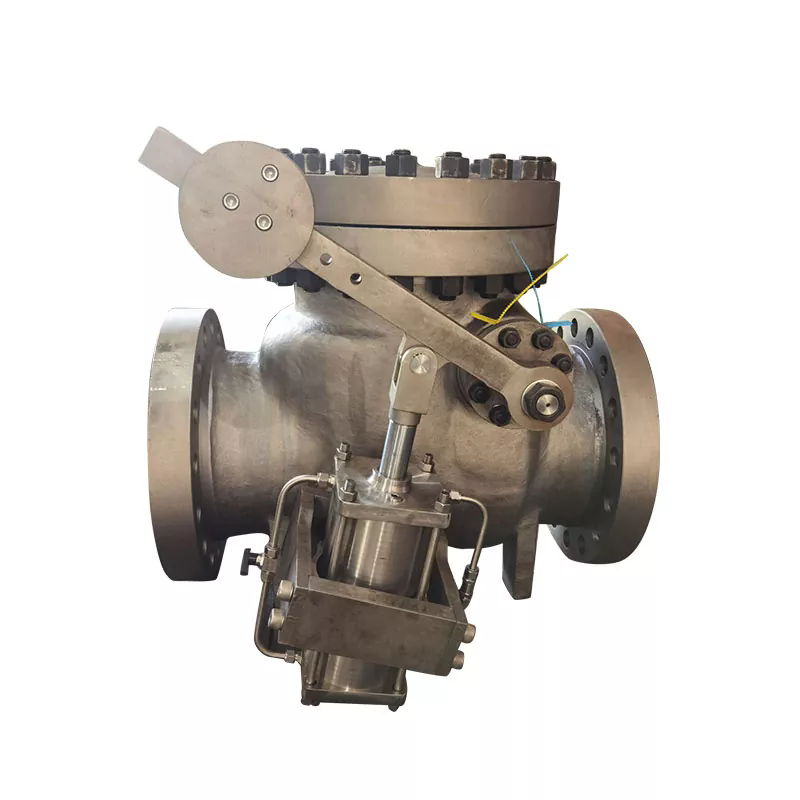
Table of Contents
- 1. Product Overview and Core Purpose
- 2. Technical Parameters and Product Specifications
- 3. Common Check Valve Questions and Detailed Answers
- 4. Application Scenarios and Industry Adaptation
- 5. Future Development and Market Direction
- 6. Brand Perspective and Contact Guidance
1. Product Overview and Core Purpose
Check valves, also known as non-return valves or one-way valves, are mechanical devices engineered to permit fluid flow in a single direction and automatically block reverse movement. The core function of a check valve is to protect pumps, compressors, pipelines, and auxiliary equipment from backflow-related risks such as pressure surges, fluid hammer, and cross-contamination.
In industrial systems involving liquids, gases, steam, or mixed media, check valves operate without external actuation, relying on differential pressure and gravity or spring mechanisms. This self-regulating behavior makes them indispensable in sectors such as water treatment, oil and gas, chemical processing, HVAC, power generation, and food-grade manufacturing.
The central objective of this article is to clarify how check valves function within complex systems, how their parameters affect performance, and how proper selection contributes to long-term operational reliability.
2. Technical Parameters and Product Specifications
Professional evaluation of check valves requires attention to material compatibility, pressure ratings, connection standards, and response characteristics. Below is a consolidated specification overview representing common industrial-grade check valves.
| Parameter | Specification Range |
|---|---|
| Nominal Diameter (DN) | DN15 – DN600 |
| Pressure Rating | PN10 / PN16 / PN25 / PN40 / Class 150–600 |
| Body Materials | Carbon Steel, Stainless Steel (304/316), Ductile Iron, Bronze |
| Seal Materials | NBR, EPDM, PTFE, Viton |
| Connection Type | Flanged, Threaded, Wafer, Welded |
| Operating Temperature | -20°C to +400°C (media-dependent) |
| Applicable Media | Water, Oil, Steam, Gas, Chemicals |
| Installation Orientation | Horizontal / Vertical |
Each parameter directly impacts system compatibility. For example, material selection must align with corrosion resistance requirements, while pressure ratings must exceed peak operating conditions to ensure safety margins.
3. Common Check Valve Questions and Detailed Answers
Q1: How does a check valve prevent backflow without external control?
A check valve relies on pressure differentials within the pipeline. When upstream pressure exceeds downstream pressure, the internal disc, ball, or flap opens automatically. When flow reverses, the pressure imbalance forces the closure element against the seat, creating a seal that blocks reverse movement. This passive operation eliminates the need for actuators or sensors.
Q2: How should a check valve be selected for high-pressure systems?
Selection for high-pressure applications requires evaluating maximum working pressure, surge pressure, and closing response time. Valves with spring-assisted mechanisms and reinforced seats are preferred to minimize water hammer. Compliance with international pressure standards such as ASME or EN is also critical.
Q3: How does installation orientation affect check valve performance?
Installation orientation determines how gravity and flow dynamics interact with the closure mechanism. Swing check valves typically require horizontal installation, while lift or spring-loaded designs can be installed vertically. Incorrect orientation may result in delayed closure, leakage, or premature wear.
Q4: How often should check valves be inspected or maintained?
Inspection intervals depend on media type, operating frequency, and environmental conditions. In clean water systems, annual inspection may be sufficient, whereas chemical or slurry applications may require quarterly checks to identify seat erosion, disc fouling, or spring fatigue.
4. Application Scenarios and Industry Adaptation
Check valves are widely deployed across industrial infrastructures. In water supply networks, they protect pumps from reverse rotation during power failure. In oil and gas pipelines, they isolate pressure zones and prevent cross-flow between processing units. HVAC systems utilize check valves to stabilize circulation loops and maintain energy efficiency.
Food and pharmaceutical industries prioritize hygienic check valve designs with smooth internal surfaces and sanitary connections to prevent bacterial accumulation. Meanwhile, power generation facilities demand high-temperature and high-pressure check valves capable of long service cycles under extreme conditions.
5. Future Development and Market Direction
The evolution of check valves is driven by increasing automation, stricter environmental regulations, and demand for predictive maintenance. Advanced materials such as duplex stainless steel and composite coatings are extending service life in corrosive environments. Intelligent monitoring solutions, integrating sensors for flow and vibration detection, are gradually being incorporated into valve assemblies.
From a market perspective, standardized modular designs and reduced pressure-loss configurations are becoming preferred choices, particularly in energy-efficient and low-emission systems.
6. Brand Perspective and Contact Guidance
Within this evolving landscape, Hanno continues to focus on precision manufacturing, strict quality control, and application-driven valve engineering. By aligning product development with real-world system requirements, the brand supports stable operation across diverse industrial sectors.
For project-specific consultation, technical documentation, or customized check valve solutions, professional communication is encouraged to ensure accurate selection and long-term reliability.
Contact Us
To discuss system requirements or request detailed specifications, reach out to the Hanno technical team for tailored support and timely response.
Previous:What Are EN Gate Valves?