How Do Lift Check Valves Improve Fluid Control in Industrial Systems?
Abstract: Lift check valves play a pivotal role in industrial fluid management by preventing backflow and maintaining efficient system performance. This comprehensive guide explores their specifications, operational principles, common questions, and practical applications across diverse industries. Readers will gain a deep understanding of how these valves optimize fluid systems and contribute to reliability and safety.
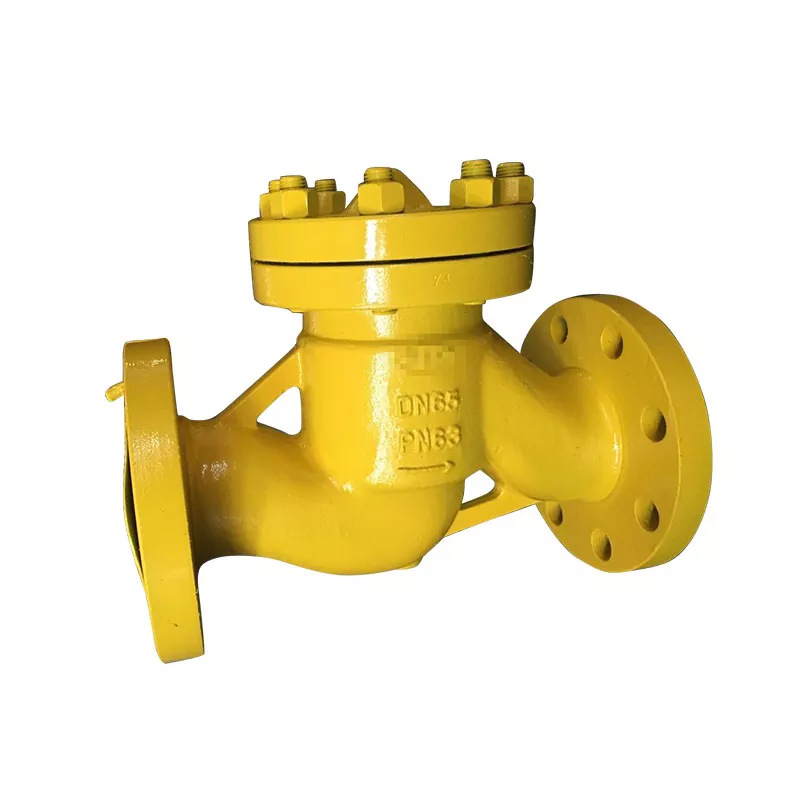
Table of Contents
- Introduction to Lift Check Valves
- Detailed Specifications
- Common Questions About Lift Check Valves
- Applications and Industry Insights
- Brand Information & Contact
1. Introduction to Lift Check Valves
Lift check valves are mechanical devices designed to allow fluid to flow in one direction while preventing backflow. They are widely used in water treatment plants, chemical processing units, power generation facilities, and HVAC systems. These valves operate by lifting a disc or piston off its seat when the fluid flows forward, and they automatically close when the flow reverses. This mechanism ensures the protection of pumps, compressors, and pipelines from potential damage caused by reverse flow.
The central focus of this article is to explain how lift check valves function, their key parameters, operational efficiency, and practical considerations for industrial applications. Additionally, detailed specifications and common user questions are presented to help engineers, maintenance personnel, and industrial decision-makers make informed choices.
2. Detailed Specifications of Lift Check Valves
Understanding the technical parameters of lift check valves is essential for selecting the right model for a specific application. Below is a professional table illustrating standard specifications commonly available in industrial settings:
| Parameter | Description |
|---|---|
| Valve Type | Lift Check Valve |
| Material | Cast Steel, Stainless Steel, Bronze, Carbon Steel |
| Connection Type | Flanged, Threaded, Socket Weld |
| Pressure Rating | PN10 to PN40, ANSI Class 150-600 |
| Temperature Range | -20°C to 400°C depending on material |
| Nominal Size | DN15 to DN600 |
| Seat Type | Metal or Soft Seat |
| Standards | API 6D, ASME B16.34, ISO 9001 certified |
| Flow Direction | Unidirectional |
3. Common Questions About Lift Check Valves
Q1: How does a lift check valve prevent backflow?
A: A lift check valve prevents backflow by using a disc or piston that is lifted off its seat by the forward flow of fluid. When the flow stops or reverses, the disc returns to its seat due to gravity or spring action, sealing the pipeline and preventing reverse flow. This ensures that pumps and other critical components are protected from damage.
Q2: How to choose the right lift check valve for high-pressure systems?
A: Selecting the right valve requires evaluating the system's pressure rating, fluid type, temperature, and flow characteristics. For high-pressure applications, materials such as stainless steel or carbon steel with reinforced seats are recommended. Proper sizing is crucial to minimize pressure drop and maintain system efficiency.
Q3: How often should lift check valves be maintained?
A: Maintenance depends on the operating conditions and fluid characteristics. Typically, inspection every 6 to 12 months is recommended. Maintenance includes cleaning the valve seat, checking for wear or corrosion, lubricating moving parts if applicable, and ensuring that the disc moves freely to maintain optimal performance.
Q4: How to troubleshoot common issues in lift check valves?
A: Common issues include valve chatter, leakage, or slow response. Troubleshooting involves checking for debris on the seat, worn components, incorrect installation orientation, or inappropriate flow velocity. Addressing these factors ensures proper operation and prolongs valve lifespan.
4. Applications and Industry Insights
Lift check valves are widely applied across multiple industrial sectors due to their simple yet effective mechanism. Key applications include:
- Water Treatment Systems: Prevent reverse flow in pipelines and protect pumps in municipal water distribution.
- Chemical Processing: Control the flow of corrosive or high-temperature fluids while ensuring safety in processing units.
- Power Generation: Maintain unidirectional flow in steam, condensate, and cooling systems for turbines and boilers.
- HVAC Systems: Ensure efficient circulation and prevent backflow in chilled water and hot water systems.
Emerging trends indicate increasing adoption of high-performance materials and precision-engineered designs to optimize lift check valve efficiency. Innovations in soft-seated designs and reduced pressure drops are enhancing their functionality in energy-sensitive systems.
5. Brand Information & Contact
Hanno Valve is recognized for providing high-quality lift check valves with a focus on durability, precision engineering, and compliance with international standards. Their products are suitable for a wide range of industrial applications, ensuring reliable performance under challenging conditions. For inquiries about specifications, customized solutions, or bulk orders, interested parties are encouraged to contact us directly to receive professional assistance.