Cast Steel Check Valves are essential flow control components designed to prevent backflow and protect industrial pipeline systems. Hanno specializes in manufacturing reliable valve solutions, and its Cast Steel Check Valves are engineered with durable cast steel materials, stable sealing performance, and flexible configurations for oil, gas, chemical, power generation, and water treatment applications. This guide explains their working principles, advantages, technical features, applications, and selection considerations to help engineers and procurement professionals make informed decisions.
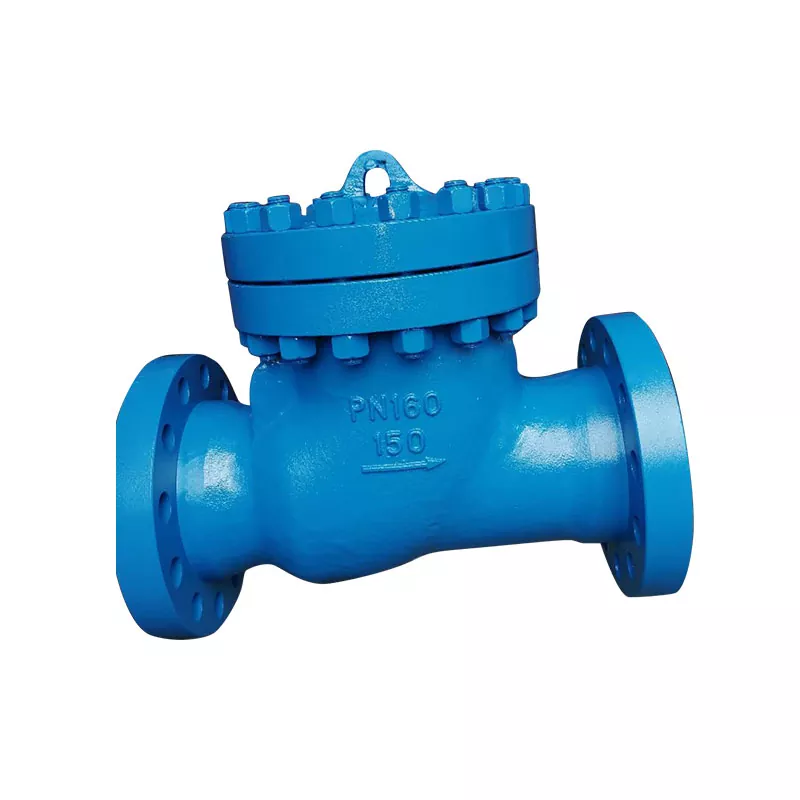
What Are Cast Steel Check Valves?
Cast Steel Check Valves are automatic flow control devices that allow fluid or gas to move in one direction while preventing reverse flow. Unlike manually operated valves, check valves work through pressure differences within the pipeline system without requiring external control mechanisms.
Manufactured using high-strength cast steel materials, these valves provide excellent mechanical strength, corrosion resistance, and durability under demanding industrial conditions. They are commonly used in high-pressure and high-temperature environments where reliable backflow prevention is critical.
Compared with standard valve materials, cast steel provides enhanced structural integrity, making these valves suitable for pipelines transporting water, steam, petroleum products, chemicals, and other industrial fluids.
How Do Cast Steel Check Valves Work?
The operating principle of Cast Steel Check Valves is based on differential pressure. When the upstream pressure becomes higher than the downstream pressure, the valve disc opens automatically, allowing fluid to pass through. When the flow direction changes, the disc closes quickly to stop reverse movement.
Common operating mechanisms include swing-type, lift-type, and piston-type designs. Each structure is optimized for different pressure ranges, flow characteristics, and installation requirements.
-
Swing Check Valve: Uses a hinged disc that swings open with forward flow and closes when reverse pressure occurs.
-
Lift Check Valve: Uses vertical disc movement and is suitable for high-pressure applications.
-
Piston Check Valve: Provides stable sealing performance for systems requiring precise flow control.
The automatic operation of these valves helps reduce pipeline damage, prevent equipment failures, and improve overall system reliability.
Key Features and Advantages of Cast Steel Check Valves
High-quality Cast Steel Check Valves are designed to meet strict industrial requirements. Their advantages make them widely preferred for critical pipeline systems.
|
Feature
|
Benefit
|
Industrial Value
|
|
Cast Steel Body Construction
|
Provides excellent strength and durability
|
Suitable for high-pressure environments
|
|
Reliable Backflow Prevention
|
Protects pumps and pipeline equipment
|
Reduces maintenance costs
|
|
Precision Sealing Design
|
Minimizes leakage risks
|
Improves operational safety
|
|
Wide Temperature Resistance
|
Supports demanding working conditions
|
Suitable for steam and chemical systems
|
The main benefits include:
-
Strong resistance against mechanical stress and pressure fluctuations.
-
Long service life with reduced replacement frequency.
-
Low maintenance requirements due to automatic operation.
-
Compatibility with various industrial piping systems.
-
Stable performance in harsh environments.
Technical Specifications and Material Options
The performance of Cast Steel Check Valves depends on valve structure, material selection, pressure rating, and sealing technology. Professional manufacturers usually provide customized solutions according to different operating conditions.
|
Parameter
|
Typical Range
|
Description
|
|
Valve Material
|
Cast Steel
|
Provides high mechanical strength and durability
|
|
Size Range
|
DN50-DN600 or customized
|
Suitable for different pipeline systems
|
|
Pressure Class
|
Class 150-Class 2500
|
Designed for low to extremely high pressure applications
|
|
Connection Type
|
Flanged, welded, threaded
|
Flexible installation options
|
|
Temperature Range
|
According to material selection
|
Supports various industrial environments
|
Common material combinations include cast steel bodies with stainless steel trim components, ensuring improved wear resistance and sealing performance.
Industrial Applications of Cast Steel Check Valves
Because of their durability and reliability, Cast Steel Check Valves are widely applied in industries requiring continuous and safe fluid transportation.
-
Oil and Gas Industry: Used in pipeline systems to prevent reverse flow of petroleum products and protect pumping equipment.
-
Power Generation: Applied in steam and cooling water systems requiring dependable flow control.
-
Chemical Processing: Helps maintain safe transportation of corrosive or hazardous fluids.
-
Water Treatment: Prevents contamination caused by reverse water flow.
-
Petrochemical Plants: Supports high-pressure pipeline operations.
In large-scale industrial projects, selecting reliable valves directly affects operational safety, energy efficiency, and production continuity.
How to Choose the Right Cast Steel Check Valve?
Choosing the correct Cast Steel Check Valve requires careful evaluation of operating conditions and system requirements. Engineers should consider the following factors:
-
Medium Type: Identify whether the valve will handle water, gas, steam, oil, or chemical fluids.
-
Pressure Rating: Select a valve that matches the maximum working pressure of the pipeline.
-
Temperature Requirements: Ensure the valve material can withstand operating temperatures.
-
Installation Position: Confirm whether horizontal or vertical installation is required.
-
Maintenance Requirements: Choose a design that supports easy inspection and servicing.
Working with an experienced valve manufacturer can help ensure proper configuration, reliable performance, and compliance with industry standards.
Maintenance Tips for Long-Term Valve Performance
Although Cast Steel Check Valves require minimal maintenance, regular inspection helps extend service life and maintain safe operation.
-
Inspect valve sealing surfaces regularly to prevent leakage.
-
Check for corrosion or external damage during scheduled maintenance.
-
Confirm that pipeline pressure remains within the valve rating.
-
Clean internal components when operating with contaminated fluids.
-
Replace worn sealing parts when necessary.
Proper maintenance practices can significantly reduce unexpected downtime and improve the reliability of industrial systems.
Frequently Asked Questions About Cast Steel Check Valves
What is the main function of a Cast Steel Check Valve?
The primary function of a Cast Steel Check Valve is to allow fluid flow in one direction while automatically preventing reverse flow. It protects pumps, compressors, and pipeline equipment from damage caused by backflow.
Why choose cast steel instead of other valve materials?
Cast steel offers excellent strength, impact resistance, and durability, making it suitable for high-pressure and high-temperature industrial applications where standard materials may not provide sufficient performance.
Where are Cast Steel Check Valves commonly used?
They are widely used in oil and gas pipelines, chemical plants, power stations, water treatment facilities, and other industrial fluid control systems.
How can I select a suitable Cast Steel Check Valve supplier?
A reliable supplier should provide professional engineering support, strict quality control, suitable certifications, and customized valve solutions based on specific operating conditions.
Conclusion
Cast Steel Check Valves play an important role in modern industrial pipeline safety by providing reliable backflow protection, strong structural performance, and long-term operational stability. With proper material selection, accurate sizing, and professional manufacturing, these valves can support demanding applications across multiple industries.
If you are looking for durable Cast Steel Check Valves with professional technical support and customized solutions, please feel free to contact us for more product information, engineering consultation, and reliable valve solutions tailored to your project requirements.