Why Are Welded End Gate Valves Becoming the Preferred Choice for Reliable Industrial Pipeline Control
Welded End Gate Valves are widely used in demanding industrial pipeline systems where high sealing performance, structural strength, and long-term reliability are essential. This article explains the working principles, advantages, applications, material selection, and purchasing considerations of welded end gate valves. As an experienced valve manufacturer, Hanno provides engineered valve solutions designed for oil & gas, chemical processing, power generation, and other industries requiring safe and efficient fluid control.
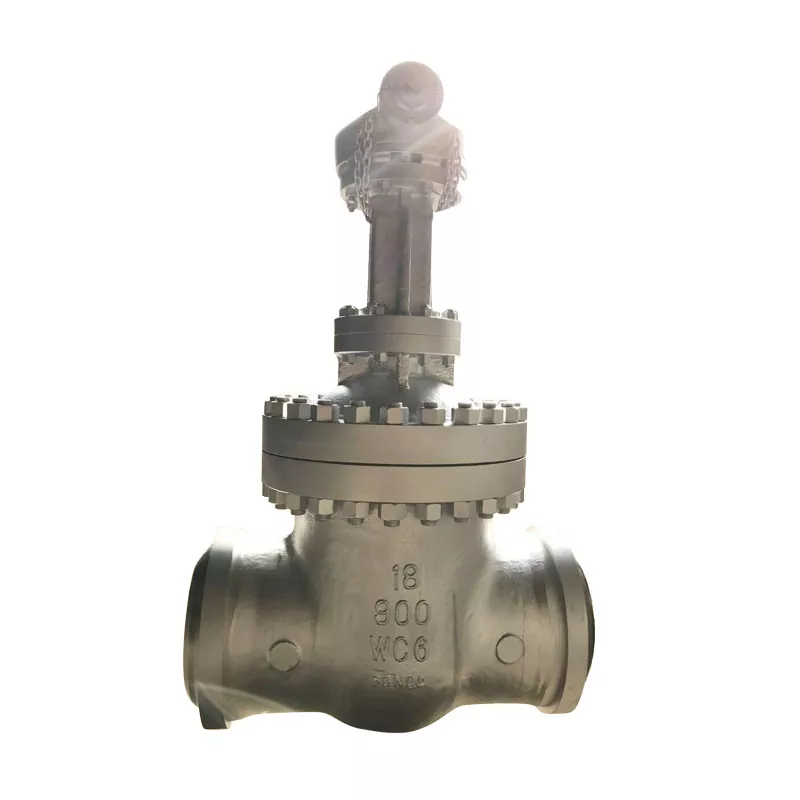
Table of Contents
- What Are Welded End Gate Valves?
- Key Features and Advantages of Welded End Gate Valves
- How Do Welded End Gate Valves Work?
- Industrial Applications of Welded End Gate Valves
- How to Choose the Right Welded End Gate Valves?
- Welded End Gate Valves vs Other Gate Valve Connections
- Maintenance Tips for Long-Term Valve Performance
- Frequently Asked Questions About Welded End Gate Valves
- Conclusion
What Are Welded End Gate Valves?
Welded End Gate Valves are industrial shut-off valves that use welded connections between the valve body and pipeline system instead of traditional flanged connections. This design creates a permanent and highly secure connection that reduces potential leakage points while improving pipeline integrity.
Unlike valves connected with bolts and gaskets, welded end gate valves are directly integrated into the piping system through welding technology. This makes them especially suitable for high-pressure, high-temperature, and critical applications where preventing fluid leakage is a top priority.
The main function of a gate valve is to allow or stop fluid flow by moving a gate vertically inside the valve body. When fully opened, the gate moves completely away from the flow path, minimizing pressure loss and providing excellent flow efficiency.
Key Features and Advantages of Welded End Gate Valves
Welded end gate valves are designed to meet strict industrial requirements. Their unique connection method and robust structure provide several advantages compared with conventional valve solutions.
| Feature | Benefit | Typical Applications |
|---|---|---|
| Welded End Connection | Creates a leak-resistant and permanent pipeline connection | Oil pipelines, chemical systems, power plants |
| Low Flow Resistance | Provides smooth fluid passage and reduces energy loss | Large-scale industrial transportation systems |
| High Pressure Capability | Handles demanding operating conditions safely | Petroleum, natural gas, and steam applications |
| Strong Structural Design | Improves durability and service life | Continuous operation environments |
Additional advantages include:
- Excellent sealing performance for critical pipeline systems.
- Reduced maintenance requirements due to fewer external connection points.
- Suitable for underground pipelines where compact installation is required.
- Reliable operation under extreme temperature and pressure conditions.
- Compatible with various industrial media including oil, gas, steam, and chemicals.
How Do Welded End Gate Valves Work?
The operating principle of welded end gate valves is based on the vertical movement of a gate mechanism. When the valve actuator or handwheel is operated, the gate moves upward or downward through the valve body.
When the gate is completely raised, the flow channel becomes fully open, allowing fluids to pass through with minimal resistance. When the gate moves downward, it blocks the passage and creates a tight shut-off condition.
The main components usually include:
- Valve Body: Provides the main pressure-containing structure.
- Gate: Controls the opening and closing of the flow passage.
- Stem: Transfers operating force to the gate.
- Seat: Ensures reliable sealing performance.
- Welded Ends: Connect the valve permanently with the pipeline.
Industrial Applications of Welded End Gate Valves
Due to their reliability and sealing capability, welded end gate valves are widely used across industries where pipeline safety is critical.
| Industry | Application | Reason for Use |
|---|---|---|
| Oil & Gas | Transmission pipelines and processing systems | High pressure resistance and leakage prevention |
| Petrochemical | Chemical transportation pipelines | Stable performance with corrosive media |
| Power Generation | Steam and cooling systems | Reliable shut-off under high temperature |
| Water Treatment | Large-scale water pipelines | Long service life and low maintenance |
How to Choose the Right Welded End Gate Valves?
Selecting suitable welded end gate valves requires careful consideration of operating conditions, pipeline requirements, and material compatibility. Engineers should evaluate several important factors before purchasing.
- Pressure Rating: Select valves according to the maximum working pressure of the system.
- Temperature Range: Ensure valve materials can withstand operating temperatures.
- Valve Material: Choose stainless steel, carbon steel, or alloy materials based on the medium.
- Size Requirements: Match the valve diameter with pipeline specifications.
- Industry Standards: Confirm compliance with relevant international standards.
Working with an experienced supplier helps ensure the selected valve provides reliable performance throughout its service life.
Welded End Gate Valves vs Other Gate Valve Connections
| Comparison | Welded End Gate Valves | Flanged Gate Valves |
|---|---|---|
| Connection Method | Direct welding connection | Bolted flange connection |
| Leakage Risk | Lower due to fewer sealing points | Higher because of gasket connections |
| Maintenance | Less frequent maintenance required | Easier disassembly and replacement |
| Installation Environment | Suitable for permanent pipeline systems | Suitable where frequent maintenance is needed |
Maintenance Tips for Long-Term Valve Performance
Although welded end gate valves are designed for durability, proper maintenance can further extend their operating life.
- Regularly inspect valve operation and sealing performance.
- Check for abnormal vibration, noise, or pressure changes.
- Maintain proper lubrication of moving components when required.
- Monitor corrosion conditions in aggressive environments.
- Follow manufacturer maintenance recommendations.
A professional maintenance program helps reduce unexpected downtime and improves the overall safety of industrial pipeline systems.
Frequently Asked Questions About Welded End Gate Valves
1. What are the main advantages of welded end gate valves?
The main advantages include excellent sealing performance, strong structural integrity, reduced leakage risk, and suitability for high-pressure industrial applications.
2. Where are welded end gate valves commonly used?
They are commonly used in oil and gas pipelines, petrochemical facilities, power plants, water treatment systems, and other industrial applications requiring reliable shut-off control.
3. Are welded end gate valves suitable for high-temperature applications?
Yes. When manufactured with suitable materials, welded end gate valves can operate effectively in high-temperature environments such as steam systems and energy facilities.
4. How can I select the correct welded end gate valve?
Selection should consider pressure rating, temperature requirements, pipeline size, operating medium, material compatibility, and applicable industrial standards.
Conclusion
Welded End Gate Valves provide an effective solution for industries requiring safe, durable, and efficient pipeline control. Their welded connection design improves sealing reliability, reduces maintenance needs, and supports demanding operating environments. With proper selection and professional manufacturing standards, these valves can deliver long-term performance for critical industrial systems.
If you are looking for reliable welded end gate valve solutions with professional engineering support and customized options, Hanno is ready to provide high-quality valve products for global industrial applications. Please contact us today to discuss your project requirements and receive a suitable valve solution.