What Are Low Temperature Globe Valves and Why Are They Essential for Industrial Applications
Article Summary: Low temperature globe valves are critical components in industries that deal with extreme temperature conditions. They regulate the flow of fluids at temperatures below the standard freezing point, making them essential for systems like cryogenic applications, LNG transport, and low-temperature refrigeration. In this article, we will explore what low temperature globe valves are, how they work, their types, and why Hanno’s globe valves stand out in the market.
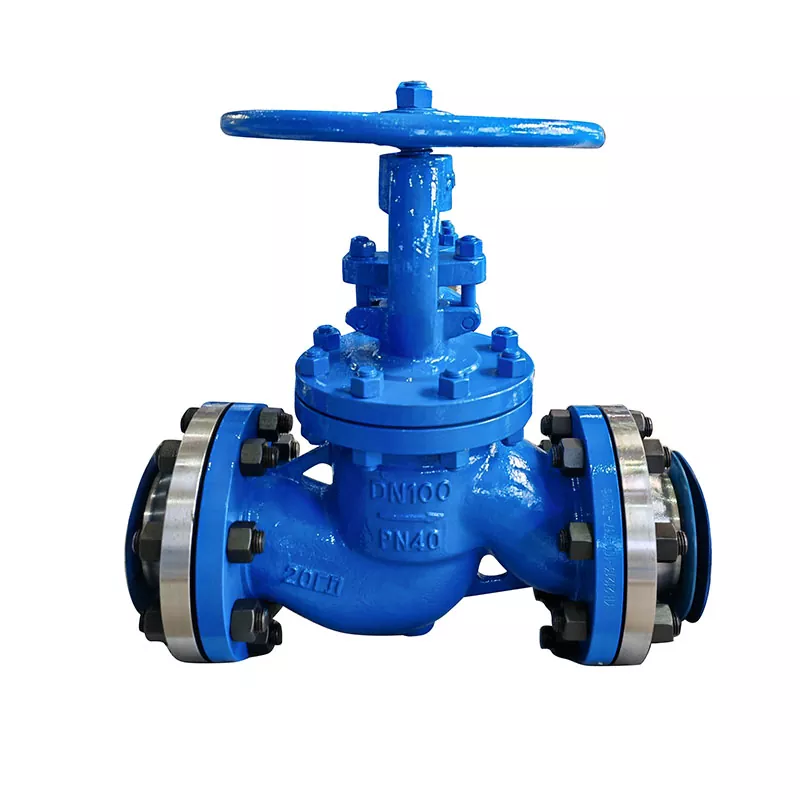
Table of Contents:
- Introduction
- What Are Low Temperature Globe Valves?
- Applications of Low Temperature Globe Valves
- Why Choose Hanno Low Temperature Globe Valves?
- Types of Low Temperature Globe Valves
- FAQ
- Conclusion
Introduction
Low temperature globe valves play a pivotal role in controlling fluid flow in various industrial systems where extreme temperatures are common. As these valves are crucial for industries like oil and gas, petrochemical, and cryogenic storage, understanding their functionality and importance can significantly improve the performance of the system.
What Are Low Temperature Globe Valves?
Low temperature globe valves are specially designed to operate in environments where temperatures can drop below -50°C (-58°F). These valves are built to withstand such harsh conditions without compromising their ability to regulate fluid flow. Unlike standard globe valves, low temperature globe valves feature materials that are resistant to cracking, fatigue, and other damages caused by low temperatures.
The core function of a low temperature globe valve is to control the flow of gases or liquids in a pipeline, adjusting it according to specific requirements. They are commonly used in systems that manage cryogenic fluids such as liquefied natural gas (LNG), liquid oxygen, and other low-temperature liquids.
Applications of Low Temperature Globe Valves
Low temperature globe valves are integral in various industrial applications. Some key uses include:
- Cryogenic Fluid Handling: Used in LNG, liquid nitrogen, and oxygen applications, these valves help control the flow of cryogenic liquids.
- Petrochemical and Oil Industries: Essential for managing low-temperature fluids in pipelines and processing equipment.
- Refrigeration Systems: Regulate the flow of refrigerants in cryogenic cooling and refrigeration systems.
- Cold Storage Facilities: Ensure the safe and reliable operation of storage facilities for temperature-sensitive products.
Why Choose Hanno Low Temperature Globe Valves?
Hanno, a leading manufacturer in the valve industry, has engineered low temperature globe valves that excel in providing reliable performance under extreme conditions. Some of the advantages of Hanno’s low temperature globe valves include:
- Durability: Made from high-quality materials such as stainless steel, Hanno valves offer exceptional resistance to low-temperature stress and corrosion.
- Precision Control: Hanno’s valves provide precise flow control, ensuring efficiency and safety in critical applications.
- Customization: Hanno offers customizable solutions tailored to specific customer needs, ensuring optimal performance.
With years of experience and a commitment to innovation, Hanno has become a trusted name in the valve manufacturing industry, especially when it comes to low-temperature applications.
Types of Low Temperature Globe Valves
Low temperature globe valves come in several variations to meet the specific needs of various industries. The primary types include:
| Type | Application | Temperature Range |
|---|---|---|
| Standard Low Temperature Globe Valve | General use in cryogenic applications | -50°C to -196°C |
| Extended Stem Globe Valve | Used for deeper installations where insulation is required | -50°C to -196°C |
| Insulated Globe Valve | Designed for applications with extreme thermal shock resistance | -50°C to -196°C |
FAQ
Q1: What are the key features of low temperature globe valves?
A1: Low temperature globe valves are designed with materials that resist cracking and fatigue in cryogenic conditions. They offer reliable flow control in extremely cold environments and are built to last under such stresses.
Q2: Can Hanno’s low temperature globe valves be customized?
A2: Yes, Hanno offers customization options for their low temperature globe valves to meet specific requirements for different industrial applications, ensuring the best performance in each case.
Q3: Where are low temperature globe valves commonly used?
A3: These valves are commonly used in cryogenic fluid handling, oil and gas industries, refrigeration systems, and cold storage applications.
Conclusion
Low temperature globe valves are indispensable in industries that require precise control of fluids under extreme cold conditions. With their durability, precision, and customization options, Hanno’s low temperature globe valves are the ideal solution for applications in cryogenic, petrochemical, and refrigeration systems. If you are looking for reliable and high-performance valves for your system, consider Hanno’s range of low temperature globe valves to meet your needs.
Contact Us: For more information about our low temperature globe valves or to discuss your specific requirements, contact us today!
Previous:No News