Why Are High Pressure Check Valves Essential for Safe and Efficient Fluid Control Systems
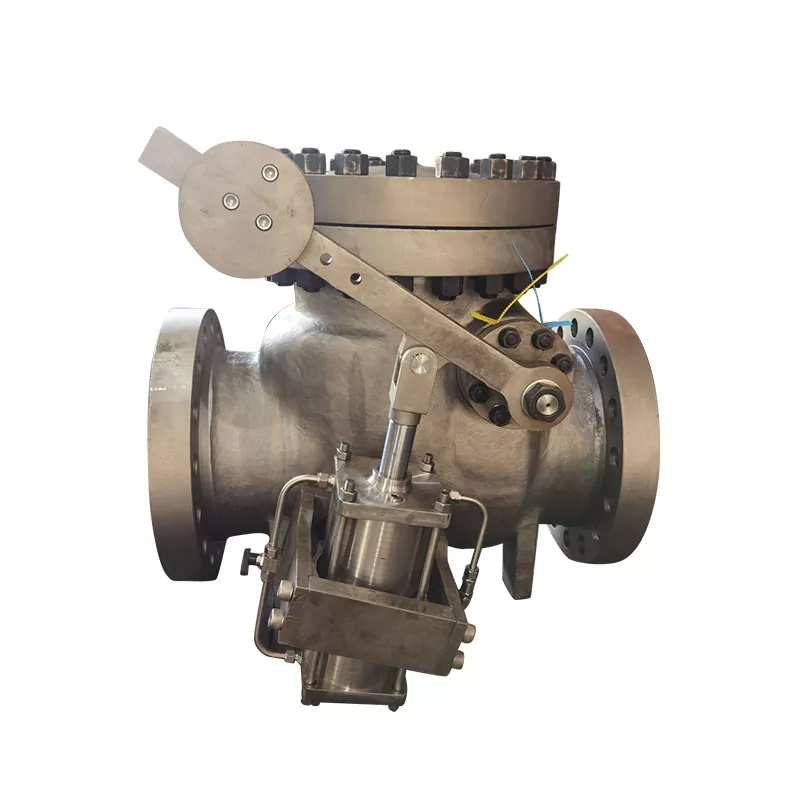
Hanno has been dedicated to manufacturing reliable High Pressure Check Valves for demanding industrial applications where safety, durability, and consistent flow performance are critical. Designed to withstand extreme working pressures while preventing reverse flow, these valves are widely used in hydraulic systems, oil and gas production, chemical processing, water treatment, and other industries requiring dependable one-way flow control. Choosing high-quality High Pressure Check Valves not only protects expensive equipment but also improves operational efficiency and reduces long-term maintenance costs.
High Pressure Check Valves play a vital role in protecting industrial systems from reverse flow, pressure surges, and equipment damage. This article explains how these valves work, explores their major types, compares materials and performance, highlights important selection factors, and discusses maintenance practices that maximize service life. Whether you are designing a new fluid control system or upgrading an existing installation, understanding these key considerations will help you make a smarter purchasing decision.
Contents
- Why High Pressure Check Valves Matter
- How High Pressure Check Valves Work
- Common Types of High Pressure Check Valves
- Materials and Performance Comparison
- How to Select the Right Valve
- Industrial Applications
- Maintenance Best Practices
- Frequently Asked Questions
- Conclusion
Why High Pressure Check Valves Matter
Fluid systems operating under high pressure demand reliable components that can prevent reverse flow instantly. High Pressure Check Valves are specifically engineered to allow media to move in only one direction while automatically closing whenever reverse pressure occurs. This seemingly simple function protects pumps, compressors, hydraulic cylinders, pipelines, and sensitive instruments from damage caused by backflow.
Without a properly designed check valve, pressure fluctuations can shorten equipment life, reduce system efficiency, contaminate process fluids, and even create significant safety hazards. Modern industrial facilities therefore consider High Pressure Check Valves an indispensable component rather than an optional accessory.
Manufacturers such as Hanno design valves capable of handling demanding operating environments where reliability is essential. Precision machining, carefully selected sealing materials, and strict quality inspection ensure stable operation under continuous high-pressure conditions.
- Prevents reverse flow automatically
- Protects expensive pumps and compressors
- Reduces maintenance expenses
- Improves operational safety
- Maintains stable pressure throughout the system
- Supports long-term equipment reliability
How High Pressure Check Valves Work
Although several structural designs exist, the operating principle remains straightforward. When inlet pressure exceeds outlet pressure, the internal sealing element lifts from its seat and allows fluid to pass through the valve. As soon as downstream pressure becomes greater than upstream pressure, gravity, spring force, or system pressure pushes the sealing element back onto the seat, instantly stopping reverse flow.
The internal sealing mechanism may consist of a ball, poppet, piston, disc, or spring-loaded component depending on the valve design and intended application. High-quality machining ensures minimal leakage while maintaining fast response times under changing operating conditions.
Several important performance characteristics influence valve operation:
- Cracking pressure
- Maximum working pressure
- Flow coefficient (Cv)
- Pressure drop
- Seal material compatibility
- Temperature resistance
Selecting the proper balance between these parameters helps engineers optimize both efficiency and equipment protection.
Common Types of High Pressure Check Valves
Different industrial systems require different valve configurations. Selecting the appropriate design depends on pressure level, installation orientation, flow rate, operating temperature, and media characteristics.
| Valve Type | Main Features | Typical Applications | Advantages |
|---|---|---|---|
| Spring Loaded Check Valve | Fast automatic closing | Hydraulic systems | Excellent sealing and quick response |
| Ball Check Valve | Simple internal structure | Water treatment | Low maintenance requirements |
| Poppet Check Valve | High-pressure capability | Oil & Gas | Reliable under demanding conditions |
| Piston Check Valve | Excellent pressure resistance | Chemical processing | Suitable for continuous heavy-duty service |
| Inline Check Valve | Compact installation | General industrial pipelines | Saves installation space |
Each design offers unique advantages. Engineers should evaluate operating pressure, flow direction, available installation space, and maintenance accessibility before making a final selection. Consulting experienced manufacturers like Hanno can help ensure the valve configuration matches both technical requirements and long-term operating expectations.
Materials and Performance Comparison
Material selection directly affects the service life, corrosion resistance, pressure capability, and maintenance requirements of High Pressure Check Valves. Different industries process different media, making material compatibility one of the most important purchasing considerations.
For example, stainless steel valves provide excellent corrosion resistance for chemical processing and marine environments, while carbon steel offers outstanding mechanical strength for high-pressure oil and gas applications. Brass is often selected for clean water systems because of its excellent machinability and cost-effectiveness.
In addition to the valve body, internal components such as springs, seats, seals, and sealing rings should also be selected according to operating temperature, chemical compatibility, and pressure conditions.
| Material | Pressure Capability | Corrosion Resistance | Typical Industry |
|---|---|---|---|
| Stainless Steel 316 | Excellent | Excellent | Chemical, Marine, Food Processing |
| Carbon Steel | Excellent | Moderate | Oil & Gas, Hydraulic Systems |
| Brass | Medium | Good | Water Supply Systems |
| Duplex Stainless Steel | Very High | Outstanding | Offshore Platforms |
| Special Alloy | Extreme | Outstanding | High-Temperature Chemical Plants |
A professional supplier such as Hanno can recommend the most suitable material combination based on your operating conditions, helping maximize equipment lifespan while reducing replacement frequency.
How to Select the Right High Pressure Check Valves
Purchasing High Pressure Check Valves should involve more than comparing prices. A properly selected valve contributes to long-term operational reliability, while an unsuitable model may lead to leakage, premature wear, or costly downtime.
Before making a purchasing decision, engineers should evaluate several critical technical factors.
- Maximum operating pressure
- Working temperature range
- Fluid type and chemical compatibility
- Required cracking pressure
- Connection type (NPT, BSP, Flange, Socket Weld, etc.)
- Installation orientation
- Expected flow rate
- Maintenance accessibility
- Industry certifications and quality standards
Working closely with an experienced manufacturer can simplify valve selection. Technical support helps customers avoid overspecification while ensuring sufficient safety margins for future operating conditions.
Many industrial buyers also prioritize manufacturers that offer customized solutions, complete quality inspections, rapid delivery schedules, and responsive after-sales support. These value-added services often reduce the total cost of ownership throughout the equipment lifecycle.
Industrial Applications
Because of their ability to prevent reverse flow under demanding conditions, High Pressure Check Valves are used across a wide variety of industrial sectors. Their versatility makes them an essential component in modern process control systems.
Some of the most common application areas include:
- Hydraulic power units
- Oil and gas production equipment
- Petrochemical facilities
- Chemical processing plants
- High-pressure water jet systems
- Industrial cleaning equipment
- Power generation facilities
- Compressed gas systems
- Water treatment plants
- Mining operations
In hydraulic equipment, High Pressure Check Valves help maintain pressure stability and protect pumps from sudden backflow. Within chemical plants, corrosion-resistant valves safely handle aggressive media while maintaining process integrity. Oilfield applications require heavy-duty valves capable of withstanding both high pressure and harsh environmental conditions.
As industrial automation continues to expand, the demand for highly reliable, precision-engineered check valves is expected to grow steadily across global markets.
Maintenance Best Practices
Even the highest-quality High Pressure Check Valves benefit from routine inspection and preventive maintenance. Proper servicing minimizes unexpected failures and extends operational life.
A well-planned maintenance schedule should include regular visual inspections, leakage testing, pressure verification, and cleaning of internal components whenever system downtime permits.
- Inspect for external leakage
- Monitor pressure performance regularly
- Clean accumulated debris
- Replace worn seals when necessary
- Verify cracking pressure periodically
- Lubricate moving components if applicable
- Use genuine replacement parts
- Record maintenance history for future analysis
Preventive maintenance not only improves reliability but also reduces emergency shutdowns and lowers lifecycle operating costs. Facilities operating under continuous production schedules especially benefit from routine valve inspections, as unexpected failures can result in significant financial losses.
Frequently Asked Questions
What is the primary purpose of High Pressure Check Valves?
High Pressure Check Valves are designed to prevent reverse flow in pressurized systems. They automatically allow fluid to move in one direction while closing immediately when flow attempts to reverse, protecting pumps, compressors, pipelines, and other critical equipment.
How do I choose the correct cracking pressure?
The cracking pressure should match your system's operating requirements. A pressure that is too low may result in unnecessary cycling, while one that is too high can reduce system efficiency. Consulting the valve manufacturer with your operating parameters is recommended.
Which material is best for corrosive environments?
Stainless steel, duplex stainless steel, and specialized corrosion-resistant alloys are commonly selected for aggressive chemical media and marine applications. Material selection should always consider the specific fluid composition and operating temperature.
Can High Pressure Check Valves be installed vertically?
Many models support both horizontal and vertical installation, but the allowable orientation depends on the internal valve design. Always follow the manufacturer's installation recommendations to achieve optimal sealing performance.
How often should High Pressure Check Valves be inspected?
Inspection intervals depend on operating pressure, fluid cleanliness, and duty cycle. Critical industrial systems typically perform routine inspections every few months, while severe operating conditions may require more frequent maintenance.
Conclusion
Selecting the right High Pressure Check Valves is an important investment in the safety, efficiency, and long-term reliability of any industrial fluid control system. From understanding valve operating principles and material selection to evaluating application requirements and maintenance strategies, every decision contributes to better system performance and lower operating costs. Partnering with an experienced manufacturer ensures that every valve is engineered to meet demanding pressure conditions while delivering dependable sealing performance throughout its service life.
If you are searching for premium-quality High Pressure Check Valves that combine precision engineering, dependable sealing, and long service life, Hanno is ready to support your project with professional technical guidance and customized valve solutions. Whether you need standard products or application-specific designs, our experienced team is committed to helping you find the ideal solution for your operating requirements. Contact us today to discuss your project, request a quotation, or learn more about how Hanno can help improve the safety and efficiency of your fluid control system.