Why Are Lift Check Valves Essential for Reliable Fluid Control in Modern Piping Systems
When fluid systems require dependable protection against reverse flow, choosing the right valve solution becomes critical. As a professional valve manufacturer, Hanno provides high-quality Lift Check Valves designed to improve pipeline safety, reduce maintenance risks, and ensure stable operation across various industrial applications. This article explains how Lift Check Valves work, their key advantages, selection factors, applications, and why they are widely used in demanding fluid control environments.
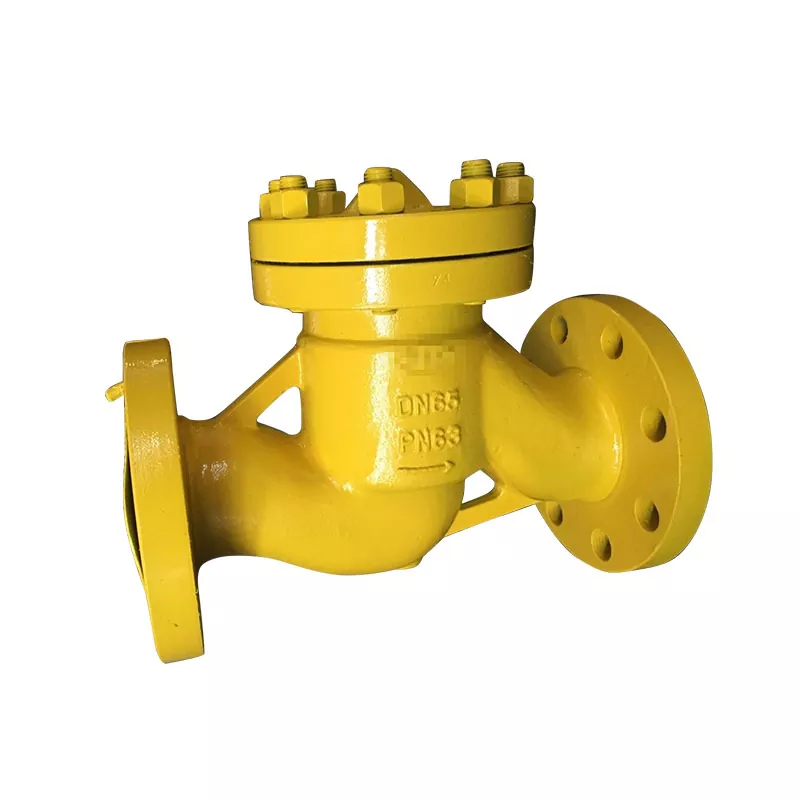
Table of Contents
- What Are Lift Check Valves and How Do They Work?
- Why Are Lift Check Valves Important for Industrial Systems?
- What Are the Key Features of High-Performance Lift Check Valves?
- What Types of Lift Check Valves Are Available?
- Where Are Lift Check Valves Commonly Used?
- How Can You Select the Right Lift Check Valve?
- How Do Lift Check Valves Compare with Other Check Valves?
- Frequently Asked Questions About Lift Check Valves
- How Can You Get Reliable Lift Check Valve Solutions?
What Are Lift Check Valves and How Do They Work?
Lift Check Valves are automatic valves designed to allow fluid flow in one direction while preventing backflow. Unlike manually operated valves, these valves rely on the pressure difference of the flowing medium to open and close automatically.
Inside a Lift Check Valve, a movable disc or piston lifts away from the valve seat when upstream pressure increases. When the flow stops or reverses, gravity and reverse pressure push the disc back onto the seat, creating a tight seal that prevents unwanted backflow.
This simple but effective operating principle makes Lift Check Valves suitable for systems where reliability, quick response, and minimal maintenance are required.
Working principle:
- Forward pressure lifts the internal disc.
- Fluid passes smoothly through the valve.
- Reverse flow forces the disc back onto the seat.
- The sealed structure prevents pipeline damage.
Why Are Lift Check Valves Important for Industrial Systems?
A reverse flow situation can create serious problems, including equipment damage, pressure instability, contamination, and reduced system efficiency. Lift Check Valves provide automatic protection without requiring external control systems.
In industrial pipelines, pumps, compressors, and processing equipment, preventing backflow is essential for maintaining continuous production. A properly selected Lift Check Valve helps extend equipment lifespan while improving operational safety.
Major benefits include:
- Reliable backflow prevention: Protects pipelines and connected equipment from reverse pressure.
- Automatic operation: Works without electrical or manual control.
- Fast response: Quickly reacts to pressure changes within the system.
- Long service life: Durable construction supports continuous industrial operation.
- Low maintenance requirements: Simple internal design reduces maintenance frequency.
What Are the Key Features of High-Performance Lift Check Valves?
High-quality Lift Check Valves are designed with precise engineering to ensure stable performance under different working conditions. Material selection, sealing structure, pressure rating, and manufacturing accuracy all influence valve reliability.
| Feature | Description | Customer Benefit |
|---|---|---|
| Compact Structure | Vertical lifting design requires less installation space. | Suitable for limited pipeline areas. |
| Strong Sealing Performance | Precision valve seat and disc design reduce leakage risks. | Improves system safety and efficiency. |
| High Pressure Resistance | Designed for demanding pressure environments. | Ensures stable operation in industrial applications. |
| Durable Materials | Uses corrosion-resistant and wear-resistant materials. | Extends service life and reduces replacement costs. |
| Automatic Flow Control | Operates according to fluid pressure changes. | Provides convenient and reliable protection. |
What Types of Lift Check Valves Are Available?
Different industrial systems require different valve configurations. Lift Check Valves are available in various designs to meet specific installation conditions and fluid requirements.
1. Horizontal Lift Check Valves
Horizontal Lift Check Valves are installed in horizontal pipelines and are commonly used in water treatment systems, chemical processing, and general industrial applications.
2. Vertical Lift Check Valves
Vertical Lift Check Valves are designed for vertical pipeline installation. They are often selected where space limitations require a vertical flow arrangement.
3. Spring Loaded Lift Check Valves
Spring-loaded designs use an internal spring mechanism to improve closing speed and reduce water hammer effects, making them suitable for systems with frequent flow changes.
Where Are Lift Check Valves Commonly Used?
Because of their reliable one-way flow control performance, Lift Check Valves are widely applied in industries that require stable fluid transportation and equipment protection. Their flexible design allows them to work with different media, including water, oil, gas, steam, and chemical fluids.
Common application industries include:
- Water Treatment Systems: Lift Check Valves help prevent reverse flow in filtration systems, pumps, and distribution pipelines.
- Oil and Gas Industry: They provide reliable protection for pipelines and processing equipment under demanding operating conditions.
- Power Generation: These valves are commonly used in boiler systems, cooling circuits, and steam applications.
- Chemical Processing: Corrosion-resistant valve materials help maintain safe operation when handling aggressive fluids.
- Industrial Manufacturing: They support compressed air systems, hydraulic equipment, and production pipelines.
How Can You Select the Right Lift Check Valve?
Choosing the correct Lift Check Valve requires a detailed understanding of the working environment. A suitable valve should match the pipeline design, operating pressure, temperature range, and fluid characteristics.
Before purchasing a Lift Check Valve, engineers usually consider the following factors:
| Selection Factor | Why It Matters |
|---|---|
| Valve Size | The valve diameter should match the pipeline size to maintain proper flow performance. |
| Pressure Rating | The valve must withstand the maximum working pressure of the system. |
| Temperature Range | Materials should be suitable for the operating temperature of the medium. |
| Fluid Type | Different fluids require specific sealing and material solutions. |
| Installation Position | Horizontal and vertical systems require different valve structures. |
Selecting the right valve not only improves system efficiency but also reduces unexpected downtime and maintenance expenses.
How Do Lift Check Valves Compare with Other Check Valves?
Although all check valves are designed to prevent reverse flow, their structures and performance characteristics vary. Understanding the differences helps users choose the most suitable solution for their applications.
| Valve Type | Operating Principle | Main Advantage | Typical Application |
|---|---|---|---|
| Lift Check Valve | Disc moves vertically away from the seat. | Excellent sealing performance and reliable operation. | Industrial pipelines, steam systems, and water systems. |
| Swing Check Valve | Disc swings around a hinge point. | Suitable for large diameter pipelines. | Water supply and wastewater systems. |
| Ball Check Valve | A ball moves to open or close the flow path. | Simple structure and easy maintenance. | Low-pressure fluid applications. |
| Wafer Check Valve | Thin disc design installed between flanges. | Compact and lightweight construction. | Space-limited piping systems. |
What Advantages Make Lift Check Valves a Preferred Choice?
Many industries choose Lift Check Valves because they combine durability, efficiency, and dependable flow control. Their internal design provides smooth operation while minimizing risks caused by reverse pressure.
Key advantages include:
- Improved Equipment Protection: Prevents pumps and other equipment from damage caused by reverse flow.
- Enhanced System Stability: Maintains consistent pressure conditions throughout the pipeline.
- Reduced Operating Costs: Durable construction decreases frequent replacement and repair needs.
- Flexible Industrial Compatibility: Suitable for various industries and working environments.
- Reliable Long-Term Performance: Designed for continuous operation under demanding conditions.
How Can You Maintain Lift Check Valves for Longer Service Life?
Although Lift Check Valves require less maintenance compared with many manually operated valves, regular inspection is still important for maintaining performance.
Recommended maintenance practices:
- Inspect valve sealing surfaces regularly.
- Check for leakage or abnormal pressure changes.
- Remove accumulated particles from the pipeline system.
- Confirm that the valve opens and closes smoothly.
- Replace worn components when necessary.
Proper maintenance helps ensure that Lift Check Valves continue operating efficiently throughout their expected service life.
Frequently Asked Questions About Lift Check Valves
1. What is the main purpose of a Lift Check Valve?
The main purpose of a Lift Check Valve is to allow fluid flow in one direction while automatically preventing reverse flow. It protects pipelines, pumps, and other equipment from damage caused by back pressure.
2. Where should Lift Check Valves be installed?
Lift Check Valves can be installed in systems where preventing reverse flow is important. The installation position depends on the valve design, such as horizontal or vertical pipeline requirements.
3. Are Lift Check Valves suitable for high-pressure applications?
Yes. Properly designed Lift Check Valves can handle high-pressure industrial environments when the selected model matches the system requirements.
4. What materials are commonly used for Lift Check Valves?
Common materials include stainless steel, carbon steel, cast steel, and other corrosion-resistant alloys. The best material depends on the fluid type and operating conditions.
5. How do Lift Check Valves reduce maintenance costs?
Their automatic operation and simple internal structure reduce the need for frequent adjustments, helping users lower maintenance requirements and improve system reliability.
How Can You Get Reliable Lift Check Valve Solutions?
Choosing a dependable valve supplier is essential for achieving safe and efficient fluid control. High-quality Lift Check Valves provide reliable backflow prevention, stable operation, and long-term value for industrial systems.
With professional manufacturing experience, strict quality control, and advanced valve engineering capabilities, Hanno delivers reliable Lift Check Valve solutions designed to meet different industrial requirements. Whether you need standard valve models or customized solutions, selecting the right partner can help improve your pipeline performance and operational safety.
If you are looking for durable, efficient, and professionally manufactured Lift Check Valves for your application, please contact us today. Our team is ready to provide suitable valve solutions, technical support, and customized service according to your project requirements.