When industries require safe and efficient fluid management under extreme operating conditions, High Pressure Check Valves become a critical component for preventing reverse flow and protecting valuable equipment. Hanno specializes in manufacturing high-performance High Pressure Check Valves designed for demanding applications where pressure stability, durability, and sealing reliability are essential. With advanced engineering technology and strict quality control, these valves provide dependable solutions for industries including oil and gas, chemical processing, energy systems, hydraulic equipment, and industrial pipelines.
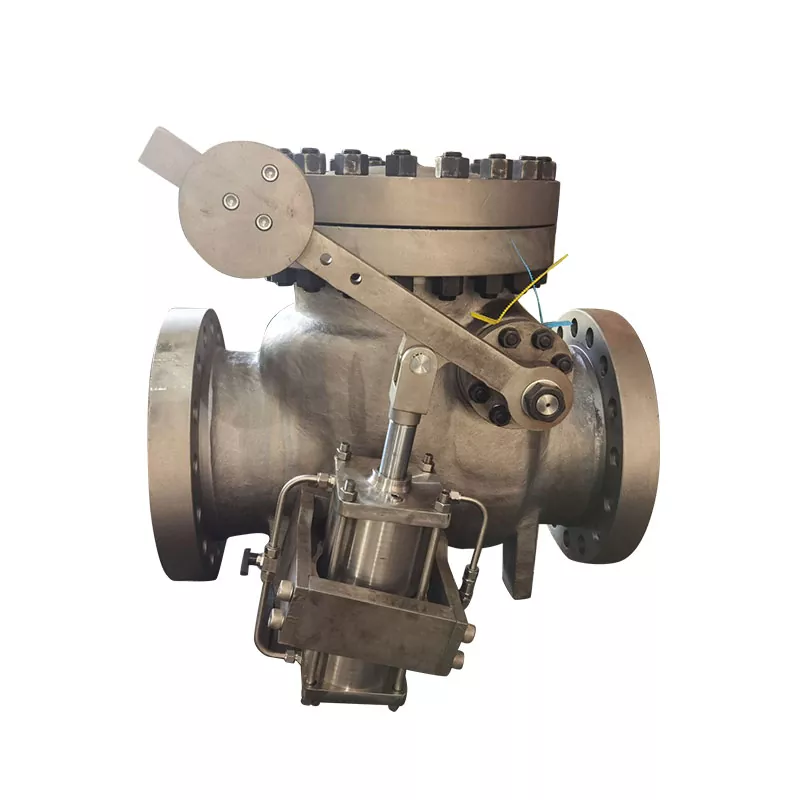
Table of Contents
- What Are High Pressure Check Valves?
- How Do High Pressure Check Valves Work?
- Key Features and Advantages of High Pressure Check Valves
- Common Types of High Pressure Check Valves
- Industrial Applications of High Pressure Check Valves
- How to Select the Right High Pressure Check Valve?
- Frequently Asked Questions About High Pressure Check Valves
What Are High Pressure Check Valves?
High Pressure Check Valves are automatic valves designed to regulate fluid flow direction in high-pressure systems. Their primary function is to allow media to pass through the pipeline in the desired direction while stopping reverse flow without requiring external control mechanisms.
These valves are widely used in systems where backflow could cause equipment damage, pressure instability, contamination, or safety risks. Compared with standard check valves, High Pressure Check Valves feature stronger valve bodies, enhanced sealing structures, and materials capable of handling elevated pressure and temperature conditions.
In industrial environments, reliable one-way flow control is essential. A properly selected high pressure valve can extend equipment service life, reduce maintenance frequency, and improve overall system efficiency.
How Do High Pressure Check Valves Work?
The operating principle of High Pressure Check Valves is based on automatic pressure difference control. When the upstream pressure becomes higher than the downstream pressure, the valve disc, piston, or ball opens to allow fluid flow. Once the flow direction changes or reverse pressure occurs, the internal mechanism quickly closes to prevent backflow.
The response speed and sealing performance of the valve depend on the internal structure, spring design, material selection, and manufacturing precision. Advanced high pressure designs minimize leakage and ensure stable operation even under repeated pressure fluctuations.
| Component | Function | Common Materials |
|---|---|---|
| Valve Body | Provides structural strength and pressure resistance | Stainless Steel, Carbon Steel, Alloy Steel |
| Disc or Piston | Controls opening and closing movement | 316 Stainless Steel, Hardened Alloy |
| Seat Seal | Ensures leakage prevention | PTFE, Metal Seat, Special Elastomers |
| Spring Assembly | Controls closing speed and response sensitivity | Stainless Steel Alloy |
Key Features and Advantages of High Pressure Check Valves
Choosing a reliable High Pressure Check Valve provides significant benefits for industrial systems that operate under demanding conditions. These valves are designed not only for pressure resistance but also for long-term operational stability.
- Excellent Pressure Resistance: High pressure construction enables reliable performance in extreme pressure environments.
- Fast Response Performance: Optimized internal mechanisms allow quick closing action to reduce water hammer and pressure shock.
- Superior Leakage Prevention: Precision machining and advanced sealing technology minimize fluid loss.
- Long Service Life: Durable materials and corrosion-resistant structures improve reliability in harsh environments.
- Low Maintenance Requirements: Automatic operation reduces the need for frequent manual adjustment.
For industries seeking a China supplier or manufacturer of industrial valve solutions, selecting a professional factory with strict production standards is essential to ensure consistent quality and reliable performance.
Common Types of High Pressure Check Valves
Different industrial systems require different valve structures depending on pressure levels, fluid characteristics, installation space, and operating conditions. The most common High Pressure Check Valves include the following types:
| Valve Type | Operating Principle | Typical Applications |
|---|---|---|
| High Pressure Piston Check Valve | Uses piston movement to control flow direction | Hydraulic systems, process equipment |
| High Pressure Ball Check Valve | Uses a ball mechanism for automatic shutoff | Water systems, chemical pipelines |
| High Pressure Swing Check Valve | Uses a hinged disc for flow regulation | Large pipeline systems |
| High Pressure Spring Check Valve | Uses spring force for fast closing response | High-pressure pumps and compressors |
Industrial Applications of High Pressure Check Valves
High Pressure Check Valves are widely adopted across industries where reliable flow control and system protection are required. Their ability to handle high-pressure media makes them suitable for critical applications.
- Oil and Gas Industry: Used in pipelines, drilling equipment, and pressure control systems to prevent reverse flow.
- Chemical Processing: Helps maintain safe chemical transportation and prevents contamination between different process stages.
- Power Generation: Supports steam, cooling water, and fuel systems with stable one-way flow control.
- Hydraulic Equipment: Protects pumps, cylinders, and hydraulic circuits from pressure reversal.
- Water Treatment Systems: Ensures reliable operation of high-pressure water circulation systems.
How to Select the Right High Pressure Check Valve?
Selecting the correct High Pressure Check Valve requires a comprehensive understanding of the operating environment, system requirements, and fluid characteristics. A suitable valve should not only withstand the maximum working pressure but also provide stable performance throughout the expected service life.
Engineers and purchasing teams should evaluate several important factors before choosing a valve supplier or manufacturer. The following considerations can help ensure the selected valve matches the application requirements:
- Working Pressure Rating: The valve must be capable of handling the maximum pressure generated within the system without deformation or leakage.
- Temperature Range: Different materials provide different temperature resistance capabilities, making material selection important for extreme environments.
- Fluid Characteristics: Media type, viscosity, corrosiveness, and cleanliness influence the valve structure and sealing material selection.
- Connection Method: Threaded, welded, or flanged connections should be selected according to pipeline design requirements.
- Installation Position: Some valve structures require specific installation directions to ensure optimal operation.
- Maintenance Requirements: Easy inspection and replacement features can reduce downtime and operational costs.
| Selection Factor | Why It Matters | Recommended Consideration |
|---|---|---|
| Pressure Rating | Determines whether the valve can safely operate under system pressure | Select a rating higher than the maximum working pressure |
| Valve Material | Affects corrosion resistance and service life | Choose stainless steel or alloy materials for demanding environments |
| Flow Rate | Influences valve size and pressure loss | Match valve specifications with pipeline requirements |
| Sealing Performance | Prevents leakage and improves safety | Consider sealing structure and operating conditions |
Why Choose Professional High Pressure Check Valve Manufacturers?
Industrial valve performance depends heavily on manufacturing accuracy, material quality, and engineering experience. Working with a professional High Pressure Check Valve manufacturer helps customers receive products that meet strict reliability and safety requirements.
Experienced manufacturers typically provide complete production processes including material inspection, precision machining, assembly testing, pressure testing, and quality verification. These procedures ensure every valve can perform consistently in challenging industrial environments.
When purchasing from a trusted China factory or supplier, customers should evaluate technical capability, customization options, production standards, and after-sales support. A reliable manufacturer can provide customized valve solutions according to pressure ratings, connection types, and application requirements.
Technical Performance and Manufacturing Quality of High Pressure Check Valves
The performance of High Pressure Check Valves depends on advanced manufacturing technology and strict quality control systems. Precision machining ensures accurate valve movement, while advanced sealing technologies improve leakage prevention and operational stability.
High-quality valves usually undergo multiple inspection procedures before delivery, including dimensional inspection, pressure testing, sealing performance testing, and functional verification. These processes help guarantee safe operation in industries where valve failure could lead to production losses or safety hazards.
| Quality Control Process | Purpose |
|---|---|
| Material Inspection | Ensures raw materials meet strength and corrosion resistance requirements |
| CNC Precision Machining | Improves dimensional accuracy and valve operation reliability |
| Pressure Testing | Confirms pressure resistance and sealing performance |
| Final Performance Inspection | Guarantees product consistency before shipment |
Future Trends in High Pressure Check Valve Technology
With the continuous development of industrial automation and energy technologies, High Pressure Check Valves are becoming more advanced in terms of efficiency, durability, and intelligent monitoring capabilities.
Future valve designs are expected to focus on improved energy efficiency, stronger corrosion resistance, compact structures, and integration with smart industrial systems. Digital monitoring technology may allow operators to track valve performance and identify potential issues before failures occur.
Industries such as renewable energy, hydrogen systems, advanced manufacturing, and high-pressure processing will continue increasing demand for reliable flow control solutions.
Frequently Asked Questions About High Pressure Check Valves
What is the main function of a High Pressure Check Valve?
The main function of a High Pressure Check Valve is to allow fluid or gas flow in one direction while automatically preventing reverse flow. This protects pumps, pipelines, and other equipment from damage caused by back pressure or flow reversal.
What industries commonly use High Pressure Check Valves?
High Pressure Check Valves are commonly used in oil and gas, chemical processing, power generation, hydraulic systems, water treatment, and industrial manufacturing applications where reliable one-way flow control is required.
How can I choose a suitable High Pressure Check Valve?
The selection process should consider operating pressure, temperature range, fluid type, connection method, flow requirements, sealing performance, and installation conditions. Consulting an experienced valve manufacturer can help ensure the correct solution.
What materials are commonly used for High Pressure Check Valves?
Common materials include stainless steel, carbon steel, alloy steel, PTFE sealing materials, and other corrosion-resistant alloys. The ideal material depends on the pressure level, temperature, and characteristics of the working medium.
Why is pressure testing important for High Pressure Check Valves?
Pressure testing verifies that the valve can withstand actual operating conditions without leakage or structural failure. It is an essential quality control step for industrial applications requiring high reliability and safety.
Conclusion
High Pressure Check Valves play an essential role in modern industrial systems by providing reliable one-way flow control, preventing backflow, and protecting critical equipment. Their advanced designs, durable materials, and excellent sealing performance make them suitable for high-pressure applications across multiple industries.
Choosing the right valve requires careful consideration of pressure requirements, application conditions, material compatibility, and manufacturer capabilities. By cooperating with an experienced supplier, businesses can achieve safer operations, improved efficiency, and reduced maintenance costs. If you are looking for reliable High Pressure Check Valves with professional technical support and customized solutions, please contact us for more information and a suitable valve solution for your project.